Media & Entertainment Industry
How Video Editing Software Is Shaping Professional Storytelling
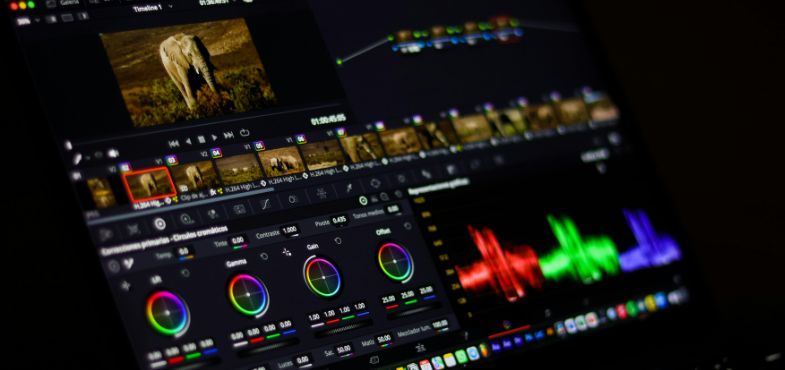
Image Courtesy: Pexels


Professional storytelling has changed dramatically in recent years. It is no longer limited to film studios or creative agencies. Today, brands, enterprises, and B2B teams rely on video to explain value, build trust, and communicate complex ideas clearly. At the center of this shift sits video editing software, quietly shaping how stories are structured and delivered.
As audiences demand more content and faster turnaround times, storytelling must balance creativity with efficiency. Modern tools make that balance possible. They help teams create polished narratives while meeting business goals, tight deadlines, and collaborative workflows.
How Video Editing Software Is Shaping Professional Storytelling
Modern video editing software has transformed storytelling into a repeatable and strategic process. Instead of rigid workflows, creators now enjoy flexibility and speed. As a result, storytelling adapts easily to changing business needs.
- Non-Linear Editing Unlocks Creative Freedom: Non-linear editing allows editors to rearrange scenes without altering original files. Therefore, teams can test ideas, refine narratives, and adjust pacing quickly. This flexibility supports professional storytelling where accuracy and consistency matter
- Pacing, Rhythm, and Emotional Control: Timing shapes how audiences feel. Video editing software lets editors fine-tune pacing through cuts, transitions, and sequencing. Consequently, brands can guide attention and emotion with purpose across marketing and corporate content
- Visual and Audio Tools That Elevate Impact: Color grading, sound design, and motion graphics enhance storytelling clarity. These tools strengthen brand identity and message recall. Meanwhile, clean audio and visuals build credibility in professional and B2B communication
- Efficiency Through AI and Automation: AI features within video editing software now handle repetitive tasks like captions and scene detection. As a result, teams save time and reduce production friction. More importantly, creators focus on storytelling decisions instead of technical work
- Collaboration at Scale: Cloud-based video editing software enables real-time collaboration across departments. Therefore, feedback cycles shorten and approvals move faster. This capability proves essential for businesses managing multiple stakeholders
Why This Matters for Modern Businesses
Video plays a critical role in marketing, training, and customer engagement. When storytelling relies on the right tools, businesses gain speed, consistency, and creative control. Over time, this leads to stronger messaging and better audience connection.
Conclusion
Video editing software has evolved into more than a production tool. It now acts as a strategic enabler of professional storytelling. By combining creativity with structure and efficiency, it helps businesses tell clearer, more compelling stories at scale. In a content-driven world, the tools behind the story often shape its success just as much as the story itself.