Technology Industry
Emerging Tech Innovation: The Technologies Quietly Shaping What’s Next

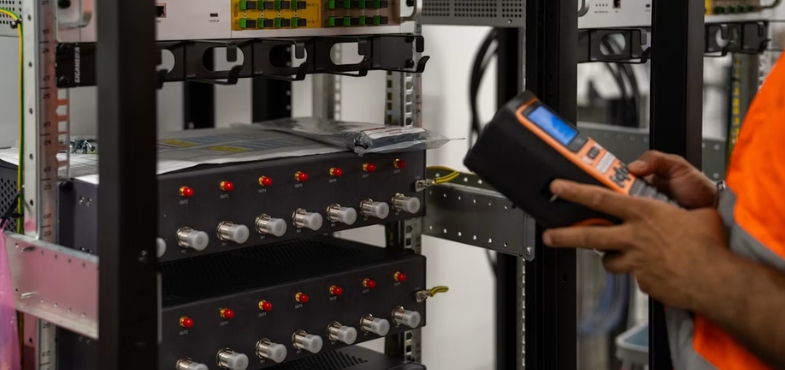
Image Courtesy: Pexels


Emerging tech innovation is entering a quieter, more meaningful phase in 2026. After years of buzzwords and bold predictions, technologies are no longer competing for attention—they are integrating into everyday systems, industries, and decisions. The focus has shifted from experimentation to execution, with efficiency, autonomy, and trust taking center stage. While generative AI still draws headlines, the most influential changes are happening steadily in the background.
The Shift From Hype of Emerging Tech Innovation to its Impact
Early-decade innovation focused on visibility. Today, success depends on reliability and real-world value. Organizations are investing in technologies that operate quietly but deliver measurable outcomes. As a result, emerging tech innovation now prioritizes systems that reduce friction, improve decision-making, and enhance security without demanding constant human oversight.
Agentic AI and Autonomous Operations
- AI That Acts, Not Just Assists: In 2026, AI is moving beyond copilots and chat interfaces. Agentic AI systems can plan, reason, and execute multi-step tasks independently. These systems operate across workflows, from IT operations to finance and logistics, making decisions based on context and outcomes rather than prompts
- From Code to Intent: Developers increasingly rely on “vibe coding,” where intent replaces manual syntax. AI interprets goals and translates them into functional systems, accelerating development cycles and lowering technical barriers
Physical AI and Robotics Enter the Real World
- Smarter Machines, Human Spaces: AI is leaving screens and entering physical environments. Humanoid robots and collaborative robots (cobots) now operate in factories, warehouses, and labs designed for humans, adapting to surroundings rather than requiring custom infrastructure
- Productivity Without Replacement: Rather than replacing workers, these systems augment human capability. They handle repetitive or hazardous tasks, allowing people to focus on judgment-driven and creative work
Edge AI and Distributed Intelligence
- Decisions at the Source: Edge computing enables data processing directly on devices and sensors. This shift reduces latency and supports real-time decision-making in smart cities, industrial IoT, and autonomous vehicles
- Privacy by Design: Because data stays local, organizations reduce exposure risks. In 2026, privacy-first architectures are becoming a competitive advantage rather than a compliance checkbox
Advanced Materials and Nanotechnology
- Innovation at the Atomic Level: Nanotechnology is quietly transforming energy, electronics, and manufacturing. Materials like graphene and perovskite improve efficiency, durability, and performance across industries
- The Semiconductor Leap: With the move toward 2-nanometer chips, computing power increases while energy consumption drops—critical for AI-heavy workloads
Quantum-Safe Cryptography and Digital Trust
- Preparing for the Post-Quantum World: As quantum computing advances, organizations are adopting post-quantum cryptography standards to protect long-lived data
- Proving What’s Real: Digital provenance tools, including embedded watermarking, help verify authenticity in AI-generated content. In an era of misinformation, trust becomes infrastructure
Next-Generation Energy Solutions
- Stability Meets Sustainability: Small Modular Reactors and solid-state batteries offer safer, more efficient energy storage and production. These solutions support electrification without sacrificing reliability.
- Efficiency as Innovation: From green nitrogen fixation to energy-efficient computing, sustainability is now embedded into system design. With data center energy demands rising sharply, low-power AI architectures are essential
Also Read: The Business Impact of AR Technology Advancements in 2025 and Beyond
Conclusion: Why 2026 Matters
Emerging tech innovation in 2026 is not loud—but it is decisive. The technologies shaping the future work quietly, blending into systems, processes, and environments. They prioritize trust, efficiency, and long-term resilience over spectacle. For businesses and societies alike, the next wave of innovation will not announce itself. It will simply work—and that is precisely what makes it powerful.