Telecommunications Industry
The AI Boom Is Creating a Fiber Boom: Why Dedicated Fiber Connectivity Matters More Than Ever
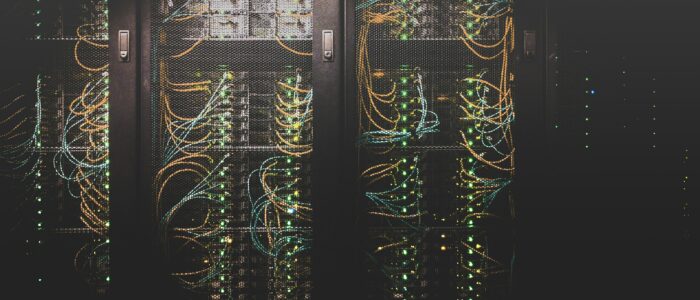
Image Courtesy: Unsplash


Artificial intelligence has shifted from experimental technology to business infrastructure. Enterprises are deploying large language models, AI assistants, predictive analytics, computer vision, and autonomous workflows at an unprecedented pace. While much of the conversation focuses on GPUs and cloud computing, another technology is becoming equally critical: networking.
AI systems consume and generate enormous volumes of data that must move continuously between users, edge locations, cloud platforms, and data centers. Without a high-performance network, even the most powerful AI models experience delays, bottlenecks, and inconsistent performance. This growing demand is making dedicated fiber connectivity an essential investment rather than an optional network upgrade.
Also Read: What Hidden Risks Can Telecom Threat Management Identify Across Connected Networks?
AI Workloads Are Creating New Network Demands
Unlike traditional enterprise applications, AI workloads continuously exchange massive datasets.
Training foundation models, synchronizing distributed AI clusters, processing real-time analytics, and supporting inference at scale all require consistent bandwidth and extremely low latency. As AI adoption expands, enterprise networks must evolve to keep pace.
AI Runs on Data Movement
Building AI models requires moving terabytes—and sometimes petabytes—of structured and unstructured data across multiple environments.
Shared internet connections can introduce unpredictable congestion, slowing model training and delaying AI-powered business processes. Dedicated fiber connectivity provides guaranteed bandwidth and stable performance, allowing organizations to move critical data quickly and efficiently.
Low Latency Improves AI Responsiveness
Many AI applications operate in real time.
Fraud detection systems, autonomous manufacturing, customer service copilots, and predictive maintenance platforms depend on immediate responses. Even small delays in network communication can reduce the effectiveness of these applications.
Low-latency fiber infrastructure helps ensure AI systems deliver insights and decisions when they are needed most.
Supporting Distributed AI Infrastructure
Modern AI environments rarely operate from a single location.
Organizations increasingly distribute AI workloads across cloud providers, edge locations, enterprise campuses, and regional data centers. Maintaining synchronization across these environments requires resilient, high-capacity networks.
With dedicated fiber connectivity, businesses can establish reliable links that support continuous collaboration between distributed AI resources without compromising performance.
Scaling AI Without Creating Network Bottlenecks
Many organizations discover that network infrastructure becomes the first limitation as AI initiatives expand.
Adding more GPUs or cloud resources cannot compensate for insufficient network capacity. Fiber networks provide the scalability needed to accommodate increasing data volumes, larger AI models, and growing numbers of connected users without frequent infrastructure redesigns.
Preparing for the Next Generation of Enterprise AI
AI adoption is accelerating beyond analytics into autonomous systems, digital twins, robotics, and intelligent automation.
These technologies will require constant communication between devices, applications, and cloud platforms. Investing in dedicated fiber connectivity today creates a network foundation capable of supporting tomorrow’s AI innovations while maintaining operational reliability.
Fiber Is Becoming Strategic AI Infrastructure
As AI becomes central to business operations, networking is evolving from a background utility into a strategic competitive asset. Organizations that prioritize resilient, high-performance connectivity will be better positioned to deploy advanced AI applications, scale digital transformation initiatives, and respond to changing business demands.
The AI revolution is not only creating demand for smarter software—it is also reshaping the physical infrastructure that powers digital business. Dedicated fiber connectivity enables enterprises to move data faster, reduce latency, and build networks capable of supporting the next generation of AI-driven innovation.
Concluding Statement
The future of enterprise AI depends on more than processing power. As data volumes continue to grow and real-time intelligence becomes the norm, dedicated fiber connectivity will play a vital role in delivering the speed, reliability, and scalability required to unlock AI’s full potential.