Telecommunications Industry
How Fiber Internet Services Are Meeting the Bandwidth Needs of Modern Businesses
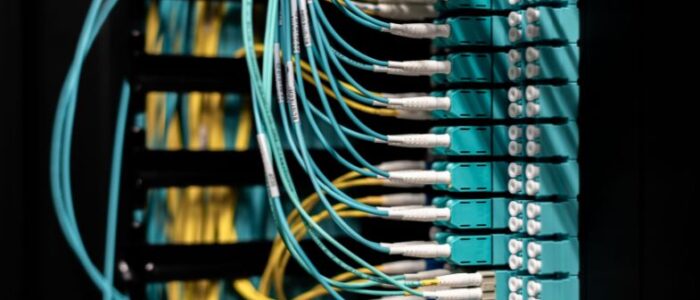
Image Courtesy: Pexels


Businesses no longer use the internet simply to send emails or browse websites. Cloud applications, video conferencing, large file transfers, connected devices, VoIP, remote collaboration, and real-time data tools now operate simultaneously across business networks. As these demands increase, a connection that slows under heavy traffic can quickly become a productivity problem. Fiber internet services give businesses the bandwidth, speed, and consistency needed to keep these operations running smoothly.
Why Modern Businesses Need More Bandwidth
The amount of data moving through business networks continues to grow. Employees may be accessing cloud platforms, joining video meetings, uploading files, and syncing applications at the same time. Meanwhile, businesses are adding more connected devices and adopting data-intensive technologies that place additional pressure on their networks.
Traditional connections can struggle when several users compete for bandwidth. Fiber optic technology addresses this challenge by transmitting data as pulses of light through thin strands of glass or plastic. This allows significantly more data to move across the network at once, helping businesses maintain performance when demand is high.
Symmetrical Speeds Support Two-Way Business Communication
One of the most practical advantages of fiber internet services is symmetrical upload and download speeds. Traditional connections often prioritize downloads while providing considerably slower upload speeds.
That imbalance can create problems for businesses that regularly send data as well as receive it. Uploading large files, backing up information to the cloud, hosting video meetings, sharing high-resolution media, and synchronizing cloud applications all depend on strong upload performance.
With symmetrical speeds, businesses can handle these activities more efficiently without sacrificing the responsiveness employees expect from their network.
Low Latency Keeps Real-Time Applications Responsive
Speed is important, but bandwidth alone does not determine how responsive a business connection feels. Latency also matters.
Applications such as VoIP, video conferencing, cloud platforms, remote desktops, and other real-time services rely on data moving quickly between users and servers. High latency can lead to delays, choppy calls, frozen video, and slower application responses.
Fiber internet services offer consistently low latency, making them well suited to businesses where communication and collaboration happen in real time. A more responsive connection can also make cloud-based workflows feel smoother for employees working across offices or from remote locations.
Reliable Connectivity Helps Businesses Stay Productive
A fast connection is only useful if businesses can depend on it. Fiber is less susceptible to electromagnetic interference and signal degradation than traditional copper-based infrastructure. This can contribute to a more consistent connection, particularly for organizations that rely heavily on their network throughout the business day.
Reliability becomes especially important when core business functions depend on cloud applications. An unstable connection can interrupt meetings, delay file transfers, disrupt customer interactions, and prevent employees from accessing essential systems.
For organizations with demanding connectivity requirements, dedicated business fiber can provide additional consistency by giving the business dedicated network capacity rather than relying on a heavily shared connection.
Scalability for Growing Network Demands
Business networks rarely stay static. As companies add employees, locations, applications, and connected devices, their bandwidth requirements can increase quickly.
Fiber internet services provide the scalability businesses need to accommodate that growth. Higher-speed plans can support increasing volumes of data without requiring organizations to completely rethink their connectivity infrastructure.
This makes fiber particularly valuable for businesses investing in cloud computing, digital collaboration, IoT, data analytics, and other technologies that depend on reliable high-capacity networks.
Also Read: How Dedicated Fiber Connectivity Is Powering Always On Digital Operations
Fiber Internet Services Are Built for Modern Business Demands
Connectivity has become part of the foundation of everyday business operations. When employees, applications, customers, and devices all depend on the same network, bandwidth limitations can affect everything from collaboration to customer service.
Fiber internet services provide the combination of high bandwidth, symmetrical speeds, low latency, reliability, and scalability needed to support these demands. For businesses preparing for continued digital growth, investing in fiber can mean building a network that is equipped not only for today’s workload but also for the increasing data demands ahead