Telecommunications Industry
Beyond Download Speeds: Understanding the Business Value of Fiber Internet Services
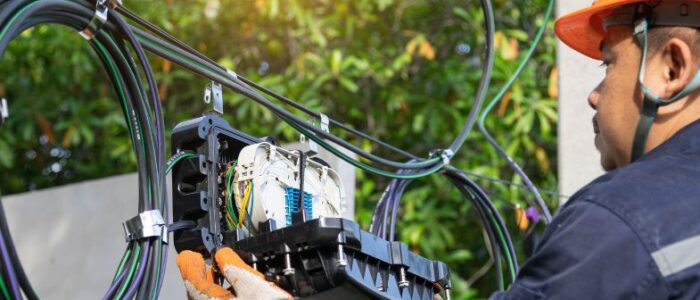
Image Courtesy: Shutterstock


A fast internet connection can improve everyday browsing, but business connectivity must support far more than downloading files. From cloud-based applications and video collaboration to data synchronization and real-time communications, modern organizations depend on consistent network performance. Fiber internet services provide value beyond speed by combining symmetrical bandwidth, low latency, reliability, and scalability to support the demands of increasingly connected businesses.
The real question for organizations is not simply, How fast is the connection? It is how reliably can the network support business-critical work?
Symmetrical Bandwidth: Supporting Two-Way Business Operations
Many business workflows depend on uploading information just as much as downloading it. Cloud backups, large media files, video conferencing, remote collaboration, and data transfers can place significant demands on upload capacity.
Unlike connections where download speeds substantially exceed upload speeds, fiber services can offer symmetrical bandwidth, depending on the service plan. This makes it easier for teams to share large files, synchronize data, and collaborate through cloud platforms without upload performance becoming a bottleneck.
For businesses handling data-intensive workflows, balanced connectivity can be more valuable than a high download-speed figure alone.
Low Latency: Reducing Delays in Real-Time Work
Speed and latency are related, but they are not the same. Speed concerns how much data can be transferred, while latency measures the delay involved in sending and receiving data.
Fiber internet services can offer low-latency connectivity, helping support activities such as video meetings, cloud applications, voice over IP (VoIP), and interactive business platforms. The actual latency depends on factors including network distance, routing, provider infrastructure, and the wider connection.
For distributed teams, even small delays can affect the quality of real-time collaboration. Low-latency connectivity helps create a more responsive experience when employees rely on applications hosted beyond the local network.
Reliability: Protecting Operational Continuity
Internet downtime can interrupt customer communication, cloud access, payment processing, and internal workflows. Fiber optic networks transmit data using light through optical fiber, making them resistant to electromagnetic interference. However, fiber is not immune to service interruptions caused by physical damage, equipment failures, power issues, or provider outages.
Businesses should therefore assess fiber alongside service-level agreements, redundancy, monitoring, and provider support. The value lies not only in the physical medium but also in the resilience of the overall connectivity design.
Scalability and Security for Digital Growth
As businesses add employees, devices, cloud applications, and connected systems, network requirements continue to change. Fiber internet services can provide a scalable foundation, with capacity upgrades often possible through service changes rather than replacing the entire fiber route. Availability and upgrade options depend on the provider and local infrastructure.
Fiber also offers advantages against certain forms of physical signal interception, but it should not be treated as inherently secure. Strong cybersecurity still requires encryption, access controls, network segmentation, monitoring, and appropriate security policies.
Connecting Infrastructure to Business Value
The business case for fiber is strongest when connectivity is evaluated against operational requirements rather than advertised download speeds. Organizations should consider upload needs, application responsiveness, downtime exposure, growth plans, and security controls before selecting a service.
Fiber internet services can support this evaluation by providing the underlying capacity and performance required for cloud-first operations, distributed workforces, and data-driven workflows. Their value is ultimately measured by how effectively they help employees work, systems communicate, and businesses maintain continuity.
Also Read: How Dedicated Fiber Connectivity Is Powering Real Time Infrastructure
Conclusion
Fiber internet services represent more than an upgrade in internet speed. With the potential for symmetrical bandwidth, low latency, improved resistance to interference, and scalable capacity, fiber can support the connectivity demands of modern businesses. When combined with resilient network design and layered security, it becomes a strategic infrastructure investment that supports reliable operations and long-term digital growth.