Telecommunications Industry
How Can Telecom Security Platforms Reduce the Cost of Network Risk?

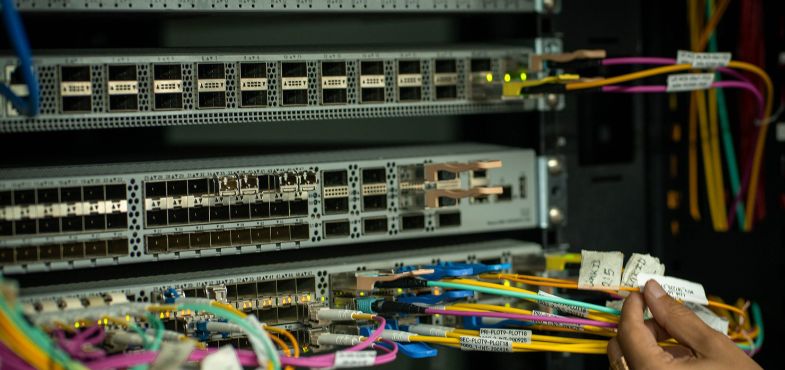
Image Courtesy: Unsplash


For telecom operators, network risk is no longer limited to cyberattacks. Today’s networks must contend with service disruptions, signaling attacks, fraud, misconfigurations, insider threats, and vulnerabilities introduced by cloud-native and 5G environments. While these risks differ in nature, they share a common consequence: financial loss.
The cost of network risk extends beyond incident response. It can affect customer trust, regulatory compliance, service availability, operational efficiency, and long-term revenue growth. This is why telecom security platforms are increasingly being viewed as business enablers rather than purely defensive tools.
Also Read: Why Modern Data Centers Depend on Enterprise Fiber Optic Networking
Why Is Network Risk Becoming More Expensive to Manage?
As telecom networks evolve, their attack surfaces expand. Traditional network boundaries have given way to distributed architectures that include virtualized infrastructure, edge computing, IoT devices, and cloud-based services.
This complexity creates more opportunities for threats to go undetected. A single security gap can trigger service outages, customer churn, regulatory penalties, or fraudulent activity that impacts revenue.
The challenge for operators is not simply identifying threats. It is detecting and responding to them before they create measurable business consequences.
How Do Telecom Security Platforms Reduce the Cost of Downtime?
Every minute of network disruption carries a financial impact. Service interruptions can affect customer experience, breach service-level agreements, and increase support costs.
Telecom security platforms provide continuous monitoring across network environments, helping security teams identify abnormal behavior before it escalates into a larger issue. By correlating data from multiple sources, these platforms can uncover potential threats that might otherwise remain hidden.
Faster detection and response help minimize downtime, reducing the operational and financial costs associated with service interruptions.
Why Is Early Threat Detection More Cost-Effective Than Incident Recovery?
Many organizations still invest heavily in incident recovery while underinvesting in prevention and visibility.
Telecom security platforms shift this balance by enabling proactive threat detection. Advanced analytics, behavioral monitoring, and automated alerting can identify suspicious activities at an earlier stage.
When threats are addressed before they disrupt services or compromise systems, organizations avoid many of the expenses associated with large-scale investigations, customer remediation efforts, and reputational damage.
In many cases, preventing a security incident costs significantly less than recovering from one.
How Can Telecom Security Platforms Help Reduce Fraud-Related Losses?
Telecom fraud remains one of the industry’s most persistent challenges. Fraud schemes continue to evolve, targeting network services, subscriber accounts, and international communications infrastructure.
Modern telecom security platforms help operators identify unusual traffic patterns, account anomalies, and suspicious network behaviors in real time.
This visibility allows security teams to investigate and mitigate fraudulent activities before significant revenue leakage occurs. The result is improved revenue protection alongside stronger network security.
What Role Does Automation Play in Lowering Network Risk Costs?
Security teams are often overwhelmed by the volume of alerts generated across complex telecom environments. Manual investigation processes can slow response times and increase operational costs.
Telecom security platforms use automation to prioritize threats, streamline workflows, and support faster decision-making. Automated responses can isolate affected systems, trigger alerts, and initiate predefined remediation actions.
This reduces the burden on security teams while helping operators contain risks more efficiently and consistently.
How Can Better Visibility Lead to Better Business Outcomes?
One of the most valuable capabilities of a telecom security platform is end-to-end visibility. Security teams gain a clearer understanding of network activity, vulnerabilities, and emerging risks across the entire environment.
With greater visibility comes better decision-making. Operators can allocate resources more effectively, strengthen security investments, and address vulnerabilities before they become costly incidents.
Also Read: Why Growing Companies Are Switching to Business Fiber Optic Internet
Conclusion
The true cost of network risk goes far beyond cybersecurity incidents. Service disruptions, fraud, regulatory exposure, and operational inefficiencies can all impact business performance. Telecom security platforms help reduce these costs by improving visibility, accelerating threat detection, automating responses, and strengthening network resilience.
As telecom environments continue to grow in complexity, reducing network risk is no longer just a security objective; it is a business priority that directly influences profitability, customer trust, and long-term operational success.