Future of Television
How Internet Enabled Smart TV Is Transforming the Advertising Industry
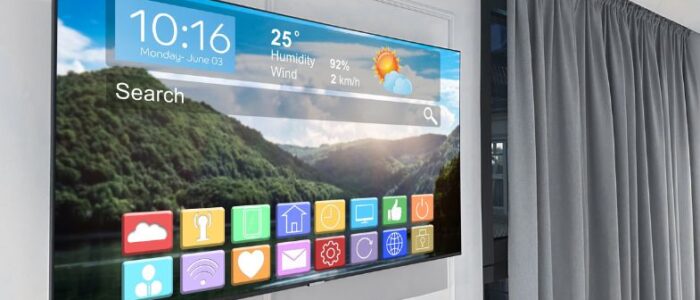


The advertising industry has changed rapidly over the last decade. Much of that change comes from the rise of the internet enabled smart TV. Traditional television ads once depended on broad audience targeting and limited performance tracking. Today, smart TVs give advertisers a more precise and data-driven way to reach viewers.
As streaming platforms grow, brands are shifting their budgets toward connected TV advertising. Businesses now want campaigns that are personalized, measurable, and more engaging for modern audiences.
Traditional TV Advertising Is Losing Its Edge
Traditional television advertising focused on mass exposure. Brands paid large amounts to show the same commercial to millions of viewers. However, not every viewer had an interest in the product or service being promoted.
The internet enabled smart TV has changed this approach. Smart TVs connect directly to the internet, which allows advertisers to deliver targeted ads based on viewing behavior, location, and user preferences.
This change helps businesses reach more relevant audiences. It also reduces wasted advertising spend and improves campaign performance.
Smart TVs Allow Better Audience Targeting
One major benefit of the internet enabled smart TV is advanced audience targeting. Advertisers can now use real-time viewing data to understand consumer interests more clearly.
For example, a user watching sports content may receive completely different ads than someone watching cooking or travel programs. This level of personalization creates a better viewing experience and increases the chance of customer engagement.
Instead of relying on broad demographics, brands can focus on audiences with stronger buying intent. This makes advertising campaigns more efficient and effective.
Interactive Advertising Is Becoming More Common
Smart TV advertising is no longer limited to passive commercials. Many brands now use interactive formats that encourage direct engagement.
QR codes, shoppable ads, and clickable experiences allow viewers to interact with products while watching content. Consumers can quickly visit websites, explore products, or even make purchases through connected devices.
The internet enabled smart TV creates a stronger connection between entertainment and e-commerce. As a result, businesses can shorten the customer journey and improve conversions.
Advertisers Can Track Results More Easily
Traditional TV advertising often made it difficult to measure success accurately. Brands had limited visibility into how ads influenced customer behavior.
Connected TV platforms now provide detailed analytics. Advertisers can monitor impressions, viewing patterns, engagement rates, and campaign performance in real time.
This data helps businesses optimize campaigns faster and improve return on investment. Smaller companies can also access TV advertising more easily through flexible digital ad models.
Also Read: How WiFi Smart TVs Are Adapting to AI Driven Viewing Experiences
Conclusion
The internet enabled smart TV is transforming the advertising industry by combining television reach with digital marketing intelligence. Brands can now create targeted, interactive, and measurable campaigns that better match modern viewing habits.
As streaming continues to dominate entertainment, smart TV advertising will play an even bigger role in the future of marketing. Businesses that adapt early will have a stronger advantage in reaching connected consumers.