Telecommunications Industry
What Hidden Risks Can Telecom Threat Management Identify Across Connected Networks?
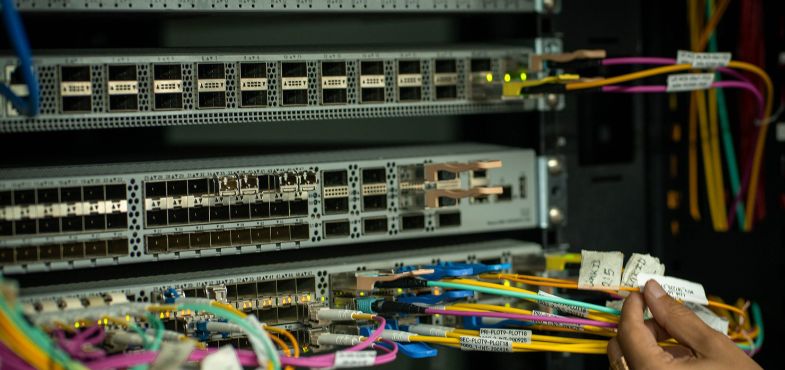
Image Courtesy: Unsplash


Modern telecom networks are more interconnected than ever, supporting everything from mobile communications and cloud services to Internet of Things (IoT) devices and critical business applications. While this connectivity improves speed and accessibility, it also expands the potential attack surface for cyber threats. Many security incidents begin with vulnerabilities that remain unnoticed until they disrupt services or compromise sensitive data.
Telecom threat management helps organizations identify these hidden risks by continuously monitoring network activity, detecting anomalies, and providing the visibility needed to respond before threats escalate into major security incidents.
Also Read: Telecom Security Platforms: The Foundation of Trusted Connectivity
Why Are Connected Networks More Difficult to Secure?
Today’s telecom environments extend beyond traditional network infrastructure. They include distributed cloud platforms, remote users, virtualized network functions, connected devices, and third-party service providers that constantly exchange data.
This complexity makes it difficult for conventional security tools to maintain complete visibility. Small configuration errors, unauthorized access attempts, or unusual traffic patterns can remain undetected if monitoring is limited to isolated systems rather than the entire network ecosystem.
How Can Telecom Threat Management Detect Risks That Traditional Monitoring Misses?
Traditional security monitoring often focuses on known attack signatures or isolated events. However, sophisticated threats frequently develop gradually through subtle behavioral changes that may appear harmless on their own.
Telecom threat management analyzes network activity across multiple data sources to identify patterns that indicate potential security concerns. Unexpected device behavior, unusual authentication activity, abnormal data transfers, or changes in network traffic can all serve as early indicators of emerging threats, allowing security teams to investigate before significant damage occurs.
Why Is Real-Time Visibility Essential for Network Security?
Threats evolve rapidly, leaving little time for manual investigation. Delayed detection increases the likelihood of service disruptions, data breaches, and operational downtime.
Telecom threat management provides continuous visibility into network activity through automated monitoring and intelligent alerting. Security teams can identify suspicious events as they occur, prioritize high-risk incidents, and initiate timely responses that reduce operational impact while maintaining service availability.
How Does Telecom Threat Management Support Operational Resilience?
Security is closely linked to business continuity. A successful attack on telecom infrastructure can interrupt communications, affect customer services, and create financial or reputational consequences.
Telecom threat management strengthens operational resilience by helping organizations detect vulnerabilities, monitor critical assets, and improve incident response capabilities. Continuous risk assessment also enables organizations to address security weaknesses before they affect network performance or customer trust.
What Should Organizations Prioritize When Strengthening Telecom Threat Management?
Effective telecom threat management begins with comprehensive visibility across the entire network environment. Organizations should integrate security monitoring across physical infrastructure, cloud environments, connected devices, and virtualized network components to eliminate blind spots.
Equally important is combining threat intelligence, behavioral analytics, automated detection, and continuous risk assessment. Together, these capabilities enable security teams to make informed decisions while adapting to an evolving threat landscape without compromising operational efficiency.
Also Read: The Fiber Advantage: Why Businesses Are Making the Switch
Conclusion
As telecom networks become increasingly connected, the risks they face become more complex and difficult to detect through traditional security approaches. Telecom threat management provides the intelligence, visibility, and continuous monitoring needed to uncover hidden vulnerabilities before they become disruptive incidents. By identifying emerging threats early, strengthening operational resilience, and supporting faster security responses, organizations can better protect critical communications infrastructure while maintaining reliable services in an increasingly connected digital environment.