Telecommunications Industry
What Makes Fiber Internet Services More Reliable Than Traditional Broadband?

Image Courtesy: Unsplash


Reliable internet connectivity has become essential for organizations that depend on cloud applications, video collaboration, digital customer experiences, and real-time data access. While traditional broadband continues to support many everyday activities, it often struggles to deliver consistent performance as business demands increase. Fiber internet services provide a more dependable alternative by offering higher stability, lower latency, and dedicated infrastructure designed to support modern digital operations.
For businesses where connectivity directly affects productivity and customer satisfaction, reliability has become just as important as speed.
Also Read: Telecom Threat Management Strategies Every Telecom Business Should Know
Why Do Traditional Broadband Connections Experience Performance Issues?
Traditional broadband networks often rely on infrastructure that shares bandwidth among multiple users in the same area. During periods of heavy network activity, available bandwidth can decrease, leading to slower speeds, increased latency, and inconsistent application performance.
These fluctuations may interrupt video meetings, delay cloud-based workflows, and affect customer-facing services. As organizations adopt more connected technologies, shared broadband infrastructure may struggle to maintain the level of performance required for business-critical operations.
How Do Fiber Internet Services Deliver More Consistent Connectivity?
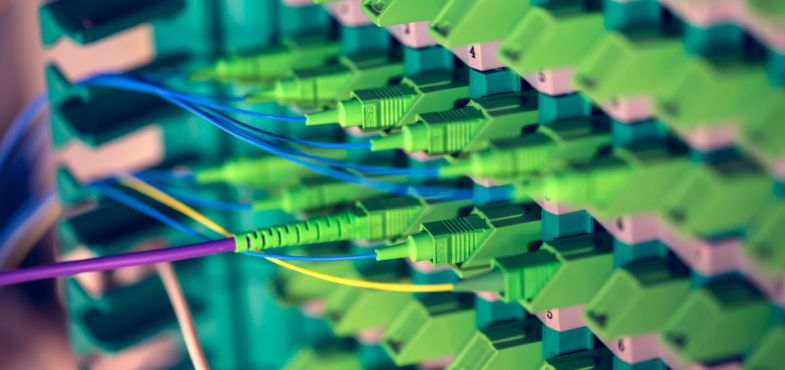
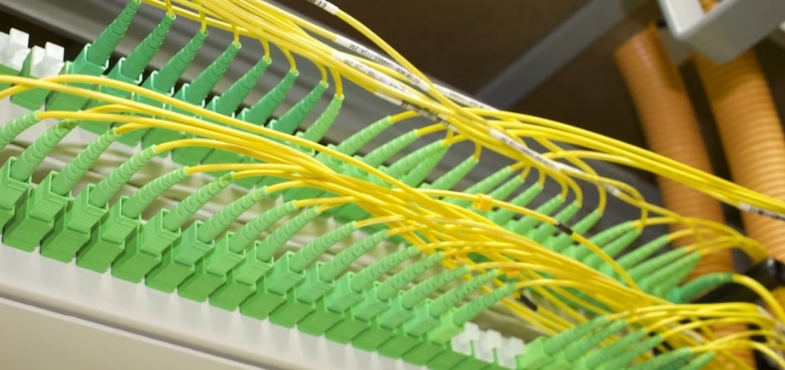
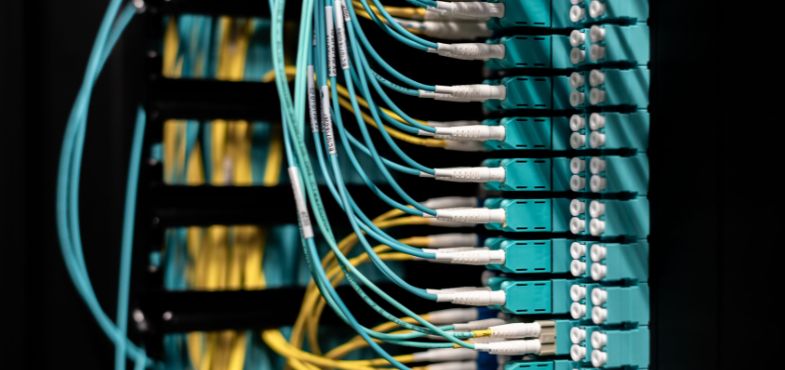
Fiber internet services transmit data using light signals through fiber-optic cables rather than electrical signals used in many conventional broadband technologies. This enables faster data transmission while reducing signal degradation over longer distances.
Because fiber networks are designed to handle significantly higher bandwidth, organizations experience more stable performance even during periods of increased demand. This consistency helps businesses maintain uninterrupted access to cloud platforms, enterprise applications, and communication tools throughout the workday.
Why Does Low Latency Matter for Modern Businesses?
Business applications increasingly depend on real-time communication and rapid data exchange. Cloud computing, unified communications, virtual collaboration, and interactive customer services all perform better when network latency remains low.
Fiber internet services provide lower latency than many traditional broadband connections, allowing information to travel more efficiently between users and digital resources. This improves responsiveness across business applications while supporting smoother collaboration between distributed teams and remote offices.
How Can Fiber Internet Services Support Long-Term Business Growth?
Technology requirements continue to evolve as organizations expand digital operations, adopt artificial intelligence, and process larger volumes of data. Internet infrastructure must be capable of supporting these growing demands without compromising performance.
Fiber internet services offer the scalability needed to accommodate increasing bandwidth requirements while maintaining reliable connectivity. Businesses can expand operations, connect more devices, and introduce new digital services without facing the limitations commonly associated with older broadband technologies.
Why Should Reliability Influence Internet Infrastructure Decisions?
Internet outages or inconsistent network performance can interrupt operations, reduce employee productivity, and negatively affect customer experiences. Reliable connectivity enables organizations to maintain business continuity while reducing operational risks associated with network disruptions.
When evaluating connectivity solutions, organizations should consider factors such as network resilience, scalability, latency, service reliability, and long-term technology readiness rather than focusing exclusively on advertised download speeds.
Also Read: What Hidden Risks Can Telecom Threat Management Identify Across Connected Networks?
Conclusion
Fiber internet services provide more than faster connectivity; they deliver the reliability, consistency, and scalability required to support today’s digital business environment. By minimizing network congestion, reducing latency, and enabling dependable access to cloud applications and business-critical systems, fiber infrastructure helps organizations operate with greater confidence. As digital transformation continues to accelerate, investing in reliable fiber internet services can strengthen operational performance and prepare businesses for future technology demands.