Digital Transformation
Digital Transformation in Manufacturing: Enhancing Efficiency and Productivity
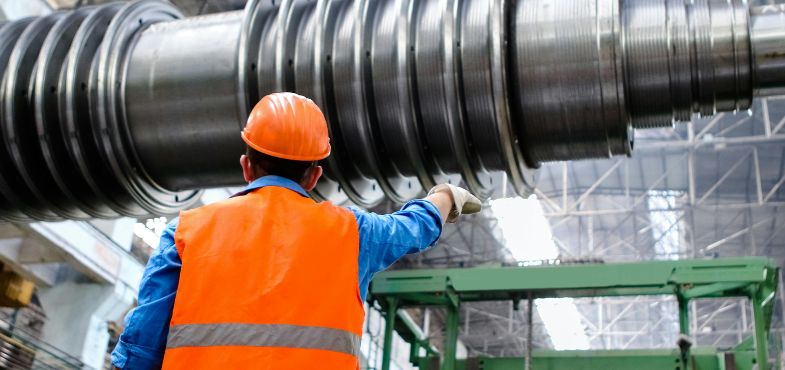
Image Courtesy: Pexels


The manufacturing industry is experiencing a seismic shift, driven by the adoption of digital transformation strategies. As competition intensifies and customer demands evolve, manufacturers are turning to cutting-edge technologies to boost efficiency, streamline processes, and enhance productivity.
In this blog, we explore how digital transformation is reshaping the manufacturing landscape, the key technologies involved, and the benefits that come with embracing this change.
The Role of Digital Transformation in Manufacturing
Digital transformation in manufacturing refers to the integration of advanced technologies, such as automation, artificial intelligence (AI), the Internet of Things (IoT), and data analytics, into manufacturing operations. These innovations help manufacturers optimize their processes, reduce costs, and increase output by enhancing overall operational efficiency.
Manufacturers that adopt digital strategies can monitor performance in real-time, make data-driven decisions, and predict potential issues before they disrupt production. By leveraging technology, businesses gain a competitive edge, reduce downtime, and meet the rising demands for faster production cycles and higher-quality products.
Key Technologies Driving Digital Transformation in Manufacturing
Industrial IoT (IIoT)
The Industrial Internet of Things (IIoT) connects machines, devices, and systems, enabling seamless communication and data exchange across the factory floor.
Sensors embedded in equipment collect data on performance, which manufacturers can analyze to improve maintenance, identify inefficiencies, and predict equipment failures.
Artificial Intelligence (AI) and Machine Learning
AI and machine learning algorithms enable manufacturers to automate complex tasks, optimize production schedules, and improve quality control. With AI, manufacturers can make data-driven decisions faster, reducing human error and boosting productivity.
Automation and Robotics
Robots and automated machinery have become essential in modern manufacturing plants. These technologies allow manufacturers to automate repetitive tasks, increase production speed, and reduce costs.
Collaborative robots (cobots) are especially beneficial, as they work alongside human workers to enhance efficiency without replacing them.
Cloud Computing
Cloud-based systems provide manufacturers with flexible, scalable solutions to manage their operations. With cloud computing, manufacturers can access real-time data, collaborate across multiple locations, and scale their IT infrastructure as their needs evolve.
Digital Twins
Digital twin technology allows manufacturers to create virtual replicas of physical assets, products, or processes. By simulating real-world operations, manufacturers can identify potential problems and test solutions before implementing them in the real world, reducing risk and improving efficiency.
Benefits of Digital Transformation in Manufacturing
Increased Efficiency
Digital tools streamline manufacturing processes by automating repetitive tasks, reducing waste, and optimizing production schedules. This leads to faster production cycles and lower operational costs.
Enhanced Productivity
By leveraging data from connected devices and AI-powered tools, manufacturers can make informed decisions, reduce downtime, and increase output. Automation also frees up human workers to focus on more complex tasks, driving overall productivity.
Improved Product Quality
Digital technologies enable manufacturers to monitor and control every stage of production, ensuring consistent quality. AI and machine learning can identify defects and recommend solutions, resulting in higher-quality products and fewer recalls.
Real-Time Monitoring and Predictive Maintenance
With IIoT and data analytics, manufacturers can monitor equipment performance in real-time and predict maintenance needs before breakdowns occur. This reduces downtime, lowers repair costs, and extends equipment life.
Conclusion
Digital transformation in manufacturing is no longer optional—it’s a necessity for businesses looking to remain competitive in today’s fast-paced market. By integrating advanced technologies like AI, IoT, and automation, manufacturers can streamline operations, boost productivity, and enhance product quality, positioning themselves for long-term success.
Also read: 3 Digital Transformation Hurdles and How to Leap Them